Resources - Ceetak
+44 (0)1234832200
enquiries@ceetak.com

The Technical Hub

O-Ring Calculator

This interactive calculator assists engineers with selection of O-ring and hardware dimensions, and to form the basis of an O-ring installation.

Use Calculator

Chemical Compatibility Checker

This interactive guide will help you choose a seal material based on existing compatibility test results of known chemicals and elastomers.

Use Checker

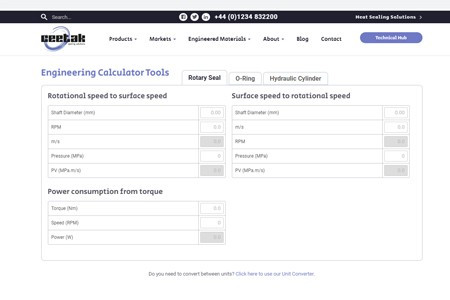
Interactive Engineering Calculators

Click here for volume, mass and compression set values for O-rings and rotary seal and hydraulic cylinder calculations.

Use Calculator

Unit Converter

Our interactive conversion tools allow engineers to switch between units of measurement when preparing engineering calculations.

Use Converter

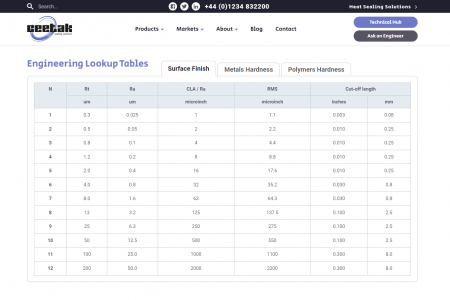
Engineering Tables

Our reference tables provide cross reference information for surface finish, metal hardness and polymer hardness measurement units.

View Tables
Special coated O-rings for renewable energy applicationSpecial coated O-rings for renewable energy application Our renewable energy customer manufactures wind sensors for a variety of applications in different environments. This seal application, within ultrasonic wind sensors, is designed for wind turbine control. We explore here why special coated o-rings are needed for this application, regularly exposed to harsh conditions.  The application For optimal performance, wind turbines need critical, consistent and reliable data on wind speed and wind direction measurements. Therefore, we recommended special coated o-rings for this renewable energy application.The sensors that provide this must be able to operate continuously for many years, sometimes in the harshest of weather.Operating conditions are extremely challenging because fluctuating, extreme environmental changes constantly batter the wind turbine sensors (and accompanying electronics).Depending on the location of the turbines, temperatures can range from -40°C to +90° C. Additionally, humidity changes from 0-100%, and turbines are subject to rain, hail, snow, ice, lightning, vibration, sand, corrosion and altitude. Our sealing solution For this application, the required life cycle of the sensors is10+ years. To achieve this, the electronics and sensors need a robust protective housing. This design requires a series of reliable, consistent, high-quality seals to house the electronics and sensors. These will perform without compromise in challenging conditions. Our engineers subjected the sensors to rigorous testing to confirm life cycle performance, ultimately awarding them an IPX6K rating.Each sensor size uses a set of environmental seals in the separated top and bottom sections. Together with our customer’s intensive testing program, we specified EPDM o-rings (which offer exceptional ozone resistance) with a special coating.The coatings are colour coded for identification purposes according to the size of sensor. Therefore, this creates a fool-proof assembly process with no risk of error by operators. Successfully built into nearly half of wind turbines globally, our range of seals have been cycle tested and approved by our customer.For more about our full range of o-rings, see our product page HERE

Special coated O-rings for renewable energy application anchor-right-arrow-purple

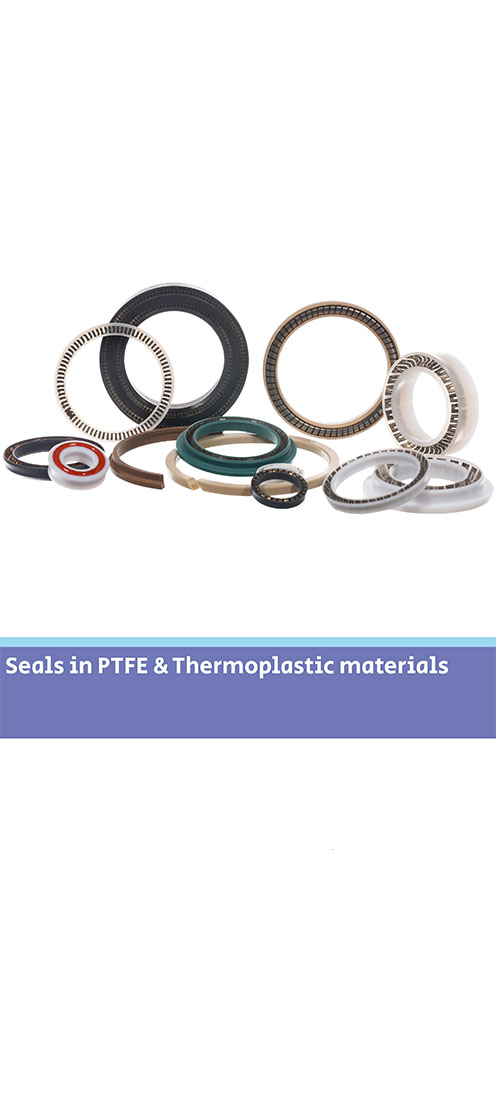
Why use PTFE seals?Why use PTFE seals? Polytetrafluoroethylene (PTFE) is a thermoplastic polymer. PTFE seals can be used in a variety of sealing applications. It’s suitable when application conditions exceed parameters of elastomeric seal use but not to the extent of a metal seal. What is PTFE? It has a high melting point (342 °C) and morphological characteristics. These allow seal components made from virgin PTFE to be used continuously at service temperatures of up to 260 °C. With the addition of fillers – up to 300°C. It has the unique ability to resist material degradation, heat-aging and alteration in its physical properties during temperature cycling. Alongside this rare combination of material characteristics, PTFE also has unlimited shelf life. Why use PTFE seals? Notably PTFE demonstrates extraordinary chemical resistance. The intrapolymer chain bond strengths preclude reactions with most chemicals, thereby making it chemically inert at elevated temperatures and pressures with virtually all industrial chemicals and solvents. Only a few media (some molten alkalis) are known to react with PTFE seals making them the perfect sealing solution for highly aggressive chemical applications.PTFE also has the lowest friction coefficient of any known solid. It has self-lubricating capabilities which offers continuous dry running ability in dynamic sealing applications and has superb stick/slip capabilities. Focus on dry coatings The advantages of using PTFE in sealing applications are multiple:Functionality at high and low temperaturesDynamic sealing with high wear capabilitiesHigh pressure sealing (using combinations of PEEK back-up rings)Compatibility with highly aggressive chemical combinations.Our range of PTFE seal products include back-up rings, rod and piston seals, slipper seals and spring energised seals in a wide variety of sizes. Materials depend on application requirements. However, we offer a wide range from Virgin PTFE or including filler combinations of MoS2, glass, carbon, carbon fibre, graphite, and bronze.These characteristics make PTFE seals perfect for the demanding applications involved in Oil & Gas, Aerospace, Automotive and Chemical Process markets (to name but a few). Ceetak’s engineering team are experienced in the design of PTFE sealing solutions to meet the complex specifications these types of application demand.Read our overview and more detail about PTFE seals HERE
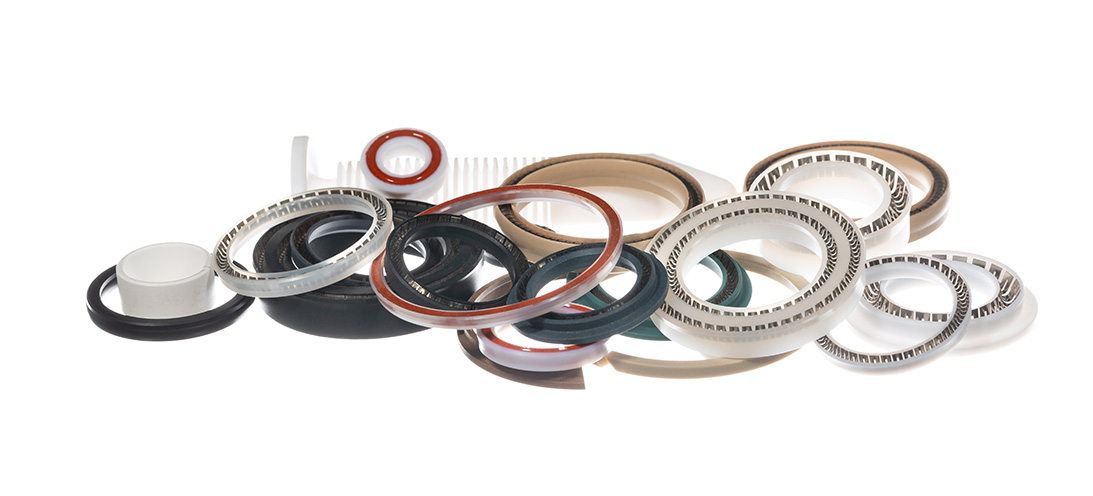
Why use PTFE seals? anchor-right-arrow-purple
Seals for Renewable Energy ApplicationsSeals for renewable energy applications Renewable energy is derived from our planet's natural resources such as sunlight, wind, rain, tides, waves, biomass and thermal energy stored in the earth’s crust. With increasing fossil fuel prices, and the very real threat of global warming and climate change to our planet; the development of renewable energy production sources is more important than everIn this article, we take a deeper look into seals for renewable energy applications and the different types of power the natural world provides. Geothermal energy and hydro power Geothermal energy is generated from heat from the sub-surface of the earth. Heat is produced by the decay of elements known as radioactive isotopes. This is a constant process in the earth’s core, and as a result temperatures reach in excess of 5,000˚C. Wells of up to a mile deep or more are drilled into underground reservoirs to tap into the geothermal resources. Steam from these reservoirs is harnessed and used to rotate turbines that activate a generator, which in turn produce electricity.There are different designs of geothermal power plants. A dry stream plant extracts steam directly from the ground and into a turbine, which drives a generator to produce electricity.The most common type are flash plants; where high pressure hot water is pumped to the surface and mixed with cooler, lower pressure water. This causes the fluid to rapidly vaporise, and the resulting steam drives a turbine.Binary power generation plants differ from the other systems. The water and steam from the geothermal reservoir never come in contact with the turbine units. A low-moderately heated geothermal fluid, and a secondary “binary” fluid (with a much lower boiling point than water) pass through a heat exchanger. The heat from the geothermal fluid causes the secondary fluid to flash to vapour. This drives the turbines to power the generator. Sealing in Geothermal applications Application conditions to consider are high temperature requirements (up to 320°C) and high pressure requirements (up to 1400 BAR).Steam is present in working turbines and drilling fluids present downhole (which may sharply change in viscosity during operational stages). Sealing drilling bores with large radial gaps is necessary.Seals are required in a range of materials to suit application needs; EPDM with steam, FKM/FFKM for high temperatures. Additionally, NBR has high expansion capabilities to seal large radial gaps. Spring energised seals offer exceptional pressure and temperature compatibility -  offered in NACE approved springs (corrosion resistant). Packer elements can also assist bore alignment and offer a dense sealing arrangement which prevents cross contamination of fluids. Hydro power All forms of hydropower convert energy from water flow into electricity through the operation of a turbine and generator. There are different methods of hydropower production. Three of the main techniques are Impoundment, Diversion and Pumped Storage. Impoundment uses a dam to store river water in high reservoir.  Water in the reservoir is manually released and the kinetic energy of its flow (as a result of gravity) is converted to electricity through a turbine and a generator. A diversion facility channels a portion of a flowing river through a separate channel. The channel will direct the water to a turbine and turn it before it re-enters the river at a lower point. The principle behind a pumped storage facility is that water is pumped to a higher elevation, and then manually released back to the original lower reservoir. The energy used to originally pump the water up can be extracted by a turbine and generator for use as electricity. The idea of pumped storage is to store the energy like a battery and use this in times of demand. Sealing in hydro power applications This technology provides a range of application environments, with varying water conditions and sources.Hydro power stations contain large and heavy-duty mechanisms when dictating the flow of water. High rotational speeds will be achieved on some turbines. Wear and abrasion resistance must be considered with potential for higher load impacts from initial water release. Seals in a comprehensive range of elastomer compounds must be considered to ensure compatibility between varying water conditions. Heavy duty application rotary seal designs are suitable (in some cases with metal casings. Additionally, PTFE seals are suitable for applications that require abrasion and wear resistance. Wind energy This is the process of converting the kinetic energy of wind into electricity through a wind turbine.Most wind turbines feature three blades, and the shape of the blades are similar to the design of an aircraft wing so that the air flow around them provides lift. The force of the lift is much stronger than the wind’s force against the front side of the blade (which is called drag). The combination of lift and drag causes the rotor to spin like a propeller which in turn causes rotation of a shaft at the blades’ axis. The shaft is attached to a generator, which produces electricity from the torque of the shaft.A streamlined enclosure called the nacelle houses the key components of the turbine; including the gears, rotors, braking system and generator. There is a pitch control mechanism (comprising of hydraulic cylinders) to ensure that the blades are rotated at an angle to receive the wind and encourage lift most efficiently, and a yaw mechanism (located at the base of the nacelle) which rotates the entire body so that the front of the hub faces the direction of the wind.The shaft is incorporated into a gear system which has another higher speed shaft attached to the end. The gear box provides a gear ratio that can be up to 100:1, relative to the low-speed shaft connected to the blades. The high-speed shaft provides torque to a generator which converts this force into electricity. Application conditions Application conditions for seals can vary depending where in the turbine they are located. General environmental factors include varying weather conditions, vibration, contaminants, corrosion, altitude and diverse (and often fluctuating) temperature ranges (-40˚C to 85 ˚C). Often long life cycle and ease of installation are considered important (as downtime and maintenance are extremely costly). Areas of application are broken down below. Gearboxes, braking systems and Pitch & Yaw systems Gearboxes:There are a range of rotational shaft speeds to consider here. Typical high-speed shafts can reach approximately 2,000 RPM so require high wear resistant seals and shaft misalignment often needs to be considered. In low-speed shaft applications, contamination from outside elements must be prevented. Rotary V-Seals reduce contact pressure as RPM increases (due to centrifugal force) which allows operation at a variety of speeds and reduces the chance of heat friction/friction loss. They also offer flexible lip arrangement to compensate for shaft misalignment. Oils and grease are used to lubricate systems so multiple compounds are available for compatibility.Braking systems: A wide range of pressure requirements are seen;  low working pressure until brakes are applied, and then high and uni-directional pressures activated. A range of brake fluids and oils are used so material compatibility must be considered. O-ring energised Polypak® seals, step seals and slipper seals all seal at a flexible tolerance range - offering sealing capability at low and higher pressures. PTFE seals offer a very consistent and strong chemical resistance. Scraper seals contain fluids in brake system compartments and prevent components running dry. Pitch & Yaw systemsThese present both static and dynamic sealing applications, but inconsistent dynamic operation (as it depends upon wind conditions). Both low and high pressure will be seen (for example, accumulators within pitching system present up to 250 BAR). Shaft offset/misalignment must be considered in heavy duty yaw systems. Hydraulic fluids and diverse lubricants require material compatibility choices. O-ring energised PTFE step seals will seal at a flexible tolerance range and offer sealing capability at low pressures. Engineers can design sealing assemblies, made of other products, to work together to seal against high pressures. Polypak® seals also offer sealing when high pressure is applied and when under ambient conditions. O-ring energisers and wear rings help to contain shaft run out. Seals for Renewable Energy Applications In summary, seals are a vital part of the critical function of components in renewable energy power generation. They are required to provide long term functionality and provide durability in harsh environmental conditions. Our range of engineered sealing materials are designed to withstand critical sealing characteristics in these applications, including wear resistance, high pressure and high temperature conditions.Hydrogen and renewable energy is one of our key industries. Read more HERE

Seals for Renewable Energy Applications anchor-right-arrow-purple
3D printing for seals3D printing for seals 3D printing has developed significantly and now performs a crucial role in many applications. 3D printed products vary from fully functional to purely aesthetic applications – commonly for manufacturing. Here we discuss how our engineers use this technology to demonstrate a seal concept. What is 3D printing? The typically common name for additive manufacturing is 3D printing.  The process involves the construction of a three-dimensional shape designed and generated from a computer aided design program (or CAD). The most typical process used for 3D printing is FFF (Fused Filament Fabrication) or FDM (Fused Deposition Modelling).The FDM process uses a continuous filament of a thermoplastic material. It’s then deposited onto the 3D print bed, creating layer by layer, gradually building up the 3D model structure. We commonly use this process to create our design and development range of 3D printed models and seal prototypes. What material is suitable for 3D printing? Material compatibility with the process is imperative and a range of thermoplastic grades are used. Typical suitable material grades include; Polylactic acid (PLA), Acrylonitrile Butadiene Styrene (ABS), Thermoplastic Polyurethane (TPU), Nylon and Polypropylene (PP).The most common grade we use for 3D printing is PLA – for its great strength and stability. We’ve also adapted our design process to use more TPU based material grades, as it loosely demonstrates the same properties as elastomer grades and is better for using in prototype programmes where mechanical fit in groove is tested. Why use 3D printing for seals? 3D printing is used for a variety of designs and seal types. From O-rings, gaskets and lip seals – to grommets, multi shot mouldings and large seal assemblies.Using 3D printing during the initial design stages of a project comes with many benefits. The rapid turnaround means a simple seal design will be produced in around 15 minutes. Additionally, even more complicated parts can be manufactured in the same day. We can even print the application housings – a perfect demonstration to an engineer what they can expect from a seal part. They will see the shape and fit for hardware without the lead time and cost of cutting a prototype tool for moulded parts.This solution is particularly suitable for quick turnaround gasket designs. For example for automotive applications or similar critical markets. Our engineers can design the concept and then 3D print a rapid prototype of a gasket to suit a 3D printed gauge groove. Demonstrating to our customers that the seal has been fit checked for installation, builds further confidence in the design recommendation. Our engineers combine the 3D print with FEA simulation reports to offer a fully engineered sealing solution.Learn more about our design and simulation service HERE
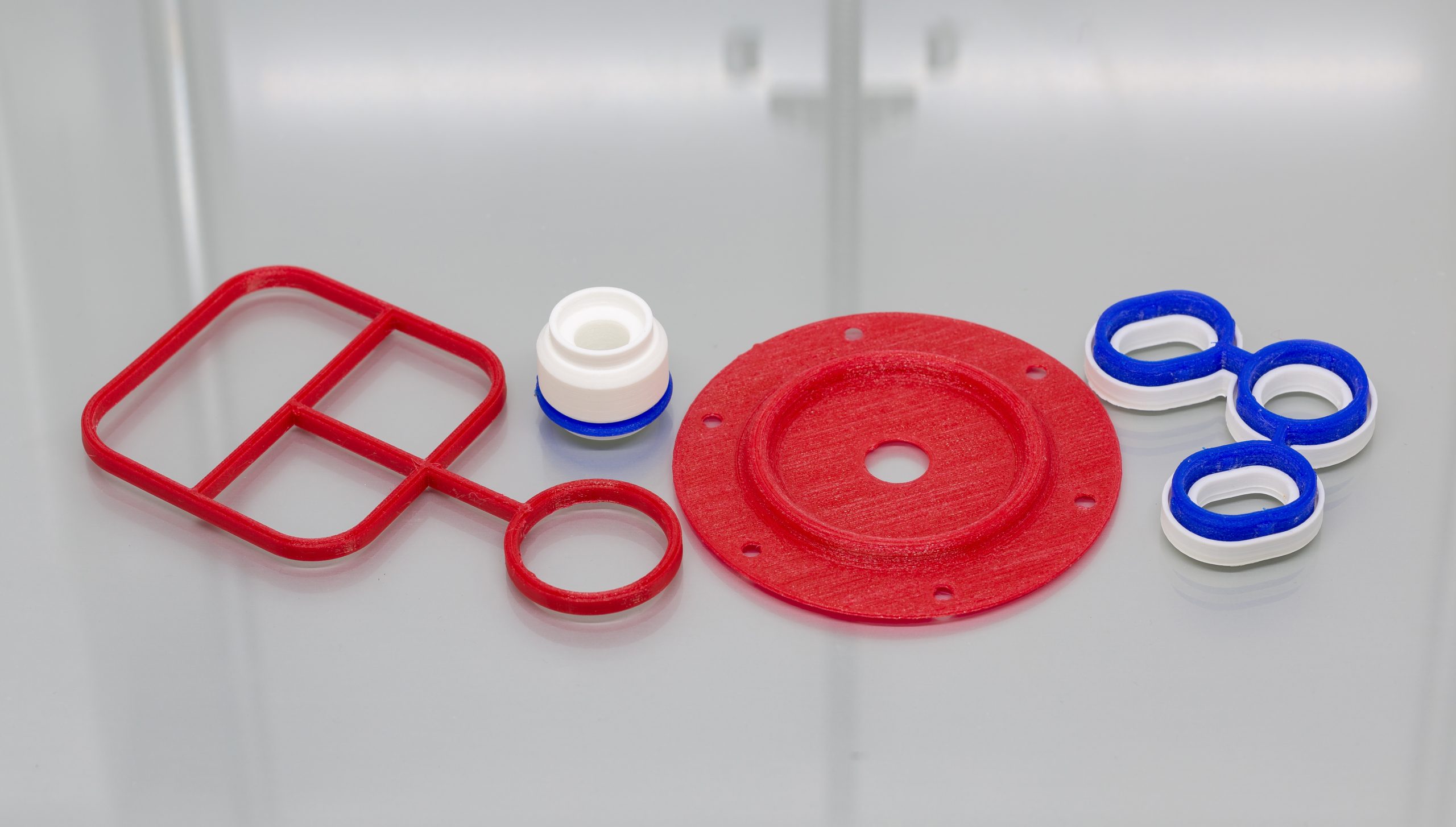
3D printing for seals anchor-right-arrow-purple
Seals for Hydrogen ApplicationsSeals for hydrogen applications Hydrogen is the most common element in our universe, and is becoming an increasingly vital part in decarbonisation and a global sustainable energy future for our planet. How is hydrogen produced? Hydrogen offers a clean energy solution to parts of the economy that are difficult to decarbonise. These include industrial processes, domestic and industrial heating, and hard-to-electrify transport. This includes heavy-duty vehicles, ships and aircraft (where battery solutions are much less practical than they are for passenger cars).  Hydrocarbons and water lock away most natural hydrogen, making it difficult to obtain.Extracting hydrogen from either of these sources takes energy (and a lot of it!) but hydrogen becomes emission-free at the point of use. Today, 96% of the world’s hydrogen is produced using  grey and brown processes. This means it’s not very environmentally friendly at all. It is widely accepted that we need to switch to, and expand green hydrogen production. However, the electricity sources for green hydrogen (solar, wind, etc) are not always located where the hydrogen needs to be used - and cannot be turned on and off as energy demand fluctuates. The different colours of hydrogen Generally categorised by a different colour, hydrogen is obtained by a variety of different methods.  Grey hydrogen is produced by reforming natural gas (methane). Brown hydrogen is produced by converting carbon rich materials (such as coal) into hydrogen and carbon dioxide. These are common processes, but result in substantial carbon emissions. Turquoise hydrogen is produced by the pyrolysis of methane at temperatures over 1000°C. Solid carbon is a by-product which is used or buried without emitting greenhouse gases or causing groundwater pollution. Blue hydrogen is generated by the steam methane reforming of natural gas. This generates large amounts of CO2 which must then be captured and safely stored. Pink hydrogen is created where large amounts of electricity is used to chemically split water into hydrogen and oxygen. Manufactured from a nuclear power plant, it’s free from ongoing emissions (other than those emissions produced in building the nuclear power station). The oxygen can be used by industry or vented to the atmosphere, without harming the environment. Green hydrogen is also produced by electrolysis of water, but the electricity required is taken purely from renewable sources such as solar, wind, tidal and geothermal processes. Experts widely regard this process as the only truly clean method of hydrogen extraction. Engineered seals for hydrogen applications Sealing hydrogen presents several challenges and we need to consider the following parameters when designing a sealing solution.When it’s a gas, we need to consider the gas permeability of the sealing materials with pressures of 700 bar or more.  The tightness of the static or dynamic sealing surfaces – including surface finish requirements for the mating components, also needs consideration. As a compressed and cooled gas, pressures can be up to 1000 bar in conjunction with temperatures down to -240°C. When it’s a liquid, the sealing solution needs to be suitable for the associated cryogenic temperatures of -253°C. However, pressure regimes are generally less than 5 bar in these conditions.When hydrogen is within a carrier, the chemical compatibility requirements of the carrier medium must match the sealing materials specified. Carries include ammonia or liquid organic hydrogen.Electrical conductivity or resistivity requirements, together with cleanliness and purity, may be required for sealing materials used in electrolysers and fuel cells.Chemical and temperature compatibility with all the media associated with hydrogen production, transport and conversion processes, including all by-products, emissions, cooling fluids and electrolyte materials. Seal applications in hydrogen For seal applications in hydrogen with no particularly high demands in any one area, EPDM elastomer based solutions can often be the most cost effective. We offer chlorobutyl elastomer or polyurethane seals for permeation resistance.  In high-pressure applications, engineers use elastomers or polyurethanes resistant to extrusion and rapid gas decompression, or PTFE unaffected by RGD.In electrolysers and fuel cells, the purity and cleanliness requirements can be met with materials and treatments we frequently use within the semiconductor market. For applications below -60°C, elastomers become hard and brittle, but PTFE, PCTFE and metal sealing solutions can be used down to cryogenic temperatures. For high temperature applications, some FKM or even FFKM elastomers are used up to 220°C or even 300°C. However, the normal preference here is PTFE sealing solutions.Metal seals are capable of even higher temperatures up to around 870°C. Metal seals can also have soft coatings such as tin or indium to achieve gas tight sealing, or gold or silver to reduce the risk of hydrogen embrittlement. The evolving hydrogen industry The hydrogen industry is technically vast and challenging for sealing applications, covering both extremes of temperature, alongside demanding pressure and chemical resistance requirements, coupled with stringent leakage limits and associated safety requirements.Applications typically demand long service life and in certain cases require parts with high levels of technical cleanliness and purity.Full consideration for the application is imperative. Elastomer, polyurethane, PTFE and metal sealing solutions are all options - providing the design and environment work harmoniously together. Learn more about how we serve customers in the Hydrogen & Renewable Energy Industry HERE
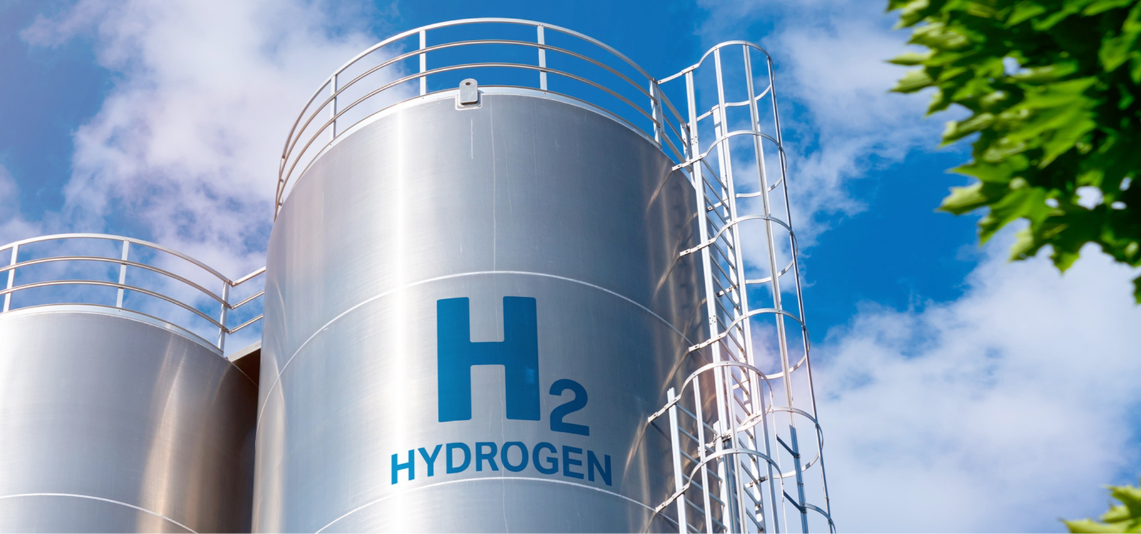
Seals for Hydrogen Applications anchor-right-arrow-purple


    By submitting this form, you are agreeing our Privacy Policy *

    Tools

    O-Ring Calculator

    This interactive calculator assists engineers with selection of O-ring and hardware dimensions, and to form the basis of an O-ring installation.

    Use Calculator

    Chemical Compatibility Checker

    This interactive guide will help you choose a seal material based on existing compatibility test results of known chemicals and elastomers.

    Use Checker

    Interactive Engineering Calculators

    Click here for volume, mass and compression set values for O-rings and rotary seal and hydraulic cylinder calculations.

    Use Calculator

    Unit Converter

    Our interactive conversion tools allow engineers to switch between units of measurement when preparing engineering calculations.

    Use Converter

    Engineering Tables

    Our reference tables provide cross reference information for surface finish, metal hardness and polymer hardness measurement units.

    View Tables

    Articles

    Special coated O-rings for renewable energy applicationSpecial coated O-rings for renewable energy application Our renewable energy customer manufactures wind sensors for a variety of applications in different environments. This seal application, within ultrasonic wind sensors, is designed for wind turbine control. We explore here why special coated o-rings are needed for this application, regularly exposed to harsh conditions.  The application For optimal performance, wind turbines need critical, consistent and reliable data on wind speed and wind direction measurements. Therefore, we recommended special coated o-rings for this renewable energy application.The sensors that provide this must be able to operate continuously for many years, sometimes in the harshest of weather.Operating conditions are extremely challenging because fluctuating, extreme environmental changes constantly batter the wind turbine sensors (and accompanying electronics).Depending on the location of the turbines, temperatures can range from -40°C to +90° C. Additionally, humidity changes from 0-100%, and turbines are subject to rain, hail, snow, ice, lightning, vibration, sand, corrosion and altitude. Our sealing solution For this application, the required life cycle of the sensors is10+ years. To achieve this, the electronics and sensors need a robust protective housing. This design requires a series of reliable, consistent, high-quality seals to house the electronics and sensors. These will perform without compromise in challenging conditions. Our engineers subjected the sensors to rigorous testing to confirm life cycle performance, ultimately awarding them an IPX6K rating.Each sensor size uses a set of environmental seals in the separated top and bottom sections. Together with our customer’s intensive testing program, we specified EPDM o-rings (which offer exceptional ozone resistance) with a special coating.The coatings are colour coded for identification purposes according to the size of sensor. Therefore, this creates a fool-proof assembly process with no risk of error by operators. Successfully built into nearly half of wind turbines globally, our range of seals have been cycle tested and approved by our customer.For more about our full range of o-rings, see our product page HERE
    Special coated O-rings for renewable energy application anchor-right-arrow-purple
    Why use PTFE seals?Why use PTFE seals? Polytetrafluoroethylene (PTFE) is a thermoplastic polymer. PTFE seals can be used in a variety of sealing applications. It’s suitable when application conditions exceed parameters of elastomeric seal use but not to the extent of a metal seal. What is PTFE? It has a high melting point (342 °C) and morphological characteristics. These allow seal components made from virgin PTFE to be used continuously at service temperatures of up to 260 °C. With the addition of fillers – up to 300°C. It has the unique ability to resist material degradation, heat-aging and alteration in its physical properties during temperature cycling. Alongside this rare combination of material characteristics, PTFE also has unlimited shelf life. Why use PTFE seals? Notably PTFE demonstrates extraordinary chemical resistance. The intrapolymer chain bond strengths preclude reactions with most chemicals, thereby making it chemically inert at elevated temperatures and pressures with virtually all industrial chemicals and solvents. Only a few media (some molten alkalis) are known to react with PTFE seals making them the perfect sealing solution for highly aggressive chemical applications.PTFE also has the lowest friction coefficient of any known solid. It has self-lubricating capabilities which offers continuous dry running ability in dynamic sealing applications and has superb stick/slip capabilities. Focus on dry coatings The advantages of using PTFE in sealing applications are multiple:Functionality at high and low temperaturesDynamic sealing with high wear capabilitiesHigh pressure sealing (using combinations of PEEK back-up rings)Compatibility with highly aggressive chemical combinations.Our range of PTFE seal products include back-up rings, rod and piston seals, slipper seals and spring energised seals in a wide variety of sizes. Materials depend on application requirements. However, we offer a wide range from Virgin PTFE or including filler combinations of MoS2, glass, carbon, carbon fibre, graphite, and bronze.These characteristics make PTFE seals perfect for the demanding applications involved in Oil & Gas, Aerospace, Automotive and Chemical Process markets (to name but a few). Ceetak’s engineering team are experienced in the design of PTFE sealing solutions to meet the complex specifications these types of application demand.Read our overview and more detail about PTFE seals HERE
    Why use PTFE seals? anchor-right-arrow-purple
    Seals for Renewable Energy ApplicationsSeals for renewable energy applications Renewable energy is derived from our planet's natural resources such as sunlight, wind, rain, tides, waves, biomass and thermal energy stored in the earth’s crust. With increasing fossil fuel prices, and the very real threat of global warming and climate change to our planet; the development of renewable energy production sources is more important than everIn this article, we take a deeper look into seals for renewable energy applications and the different types of power the natural world provides. Geothermal energy and hydro power Geothermal energy is generated from heat from the sub-surface of the earth. Heat is produced by the decay of elements known as radioactive isotopes. This is a constant process in the earth’s core, and as a result temperatures reach in excess of 5,000˚C. Wells of up to a mile deep or more are drilled into underground reservoirs to tap into the geothermal resources. Steam from these reservoirs is harnessed and used to rotate turbines that activate a generator, which in turn produce electricity.There are different designs of geothermal power plants. A dry stream plant extracts steam directly from the ground and into a turbine, which drives a generator to produce electricity.The most common type are flash plants; where high pressure hot water is pumped to the surface and mixed with cooler, lower pressure water. This causes the fluid to rapidly vaporise, and the resulting steam drives a turbine.Binary power generation plants differ from the other systems. The water and steam from the geothermal reservoir never come in contact with the turbine units. A low-moderately heated geothermal fluid, and a secondary “binary” fluid (with a much lower boiling point than water) pass through a heat exchanger. The heat from the geothermal fluid causes the secondary fluid to flash to vapour. This drives the turbines to power the generator. Sealing in Geothermal applications Application conditions to consider are high temperature requirements (up to 320°C) and high pressure requirements (up to 1400 BAR).Steam is present in working turbines and drilling fluids present downhole (which may sharply change in viscosity during operational stages). Sealing drilling bores with large radial gaps is necessary.Seals are required in a range of materials to suit application needs; EPDM with steam, FKM/FFKM for high temperatures. Additionally, NBR has high expansion capabilities to seal large radial gaps. Spring energised seals offer exceptional pressure and temperature compatibility -  offered in NACE approved springs (corrosion resistant). Packer elements can also assist bore alignment and offer a dense sealing arrangement which prevents cross contamination of fluids. Hydro power All forms of hydropower convert energy from water flow into electricity through the operation of a turbine and generator. There are different methods of hydropower production. Three of the main techniques are Impoundment, Diversion and Pumped Storage. Impoundment uses a dam to store river water in high reservoir.  Water in the reservoir is manually released and the kinetic energy of its flow (as a result of gravity) is converted to electricity through a turbine and a generator. A diversion facility channels a portion of a flowing river through a separate channel. The channel will direct the water to a turbine and turn it before it re-enters the river at a lower point. The principle behind a pumped storage facility is that water is pumped to a higher elevation, and then manually released back to the original lower reservoir. The energy used to originally pump the water up can be extracted by a turbine and generator for use as electricity. The idea of pumped storage is to store the energy like a battery and use this in times of demand. Sealing in hydro power applications This technology provides a range of application environments, with varying water conditions and sources.Hydro power stations contain large and heavy-duty mechanisms when dictating the flow of water. High rotational speeds will be achieved on some turbines. Wear and abrasion resistance must be considered with potential for higher load impacts from initial water release. Seals in a comprehensive range of elastomer compounds must be considered to ensure compatibility between varying water conditions. Heavy duty application rotary seal designs are suitable (in some cases with metal casings. Additionally, PTFE seals are suitable for applications that require abrasion and wear resistance. Wind energy This is the process of converting the kinetic energy of wind into electricity through a wind turbine.Most wind turbines feature three blades, and the shape of the blades are similar to the design of an aircraft wing so that the air flow around them provides lift. The force of the lift is much stronger than the wind’s force against the front side of the blade (which is called drag). The combination of lift and drag causes the rotor to spin like a propeller which in turn causes rotation of a shaft at the blades’ axis. The shaft is attached to a generator, which produces electricity from the torque of the shaft.A streamlined enclosure called the nacelle houses the key components of the turbine; including the gears, rotors, braking system and generator. There is a pitch control mechanism (comprising of hydraulic cylinders) to ensure that the blades are rotated at an angle to receive the wind and encourage lift most efficiently, and a yaw mechanism (located at the base of the nacelle) which rotates the entire body so that the front of the hub faces the direction of the wind.The shaft is incorporated into a gear system which has another higher speed shaft attached to the end. The gear box provides a gear ratio that can be up to 100:1, relative to the low-speed shaft connected to the blades. The high-speed shaft provides torque to a generator which converts this force into electricity. Application conditions Application conditions for seals can vary depending where in the turbine they are located. General environmental factors include varying weather conditions, vibration, contaminants, corrosion, altitude and diverse (and often fluctuating) temperature ranges (-40˚C to 85 ˚C). Often long life cycle and ease of installation are considered important (as downtime and maintenance are extremely costly). Areas of application are broken down below. Gearboxes, braking systems and Pitch & Yaw systems Gearboxes:There are a range of rotational shaft speeds to consider here. Typical high-speed shafts can reach approximately 2,000 RPM so require high wear resistant seals and shaft misalignment often needs to be considered. In low-speed shaft applications, contamination from outside elements must be prevented. Rotary V-Seals reduce contact pressure as RPM increases (due to centrifugal force) which allows operation at a variety of speeds and reduces the chance of heat friction/friction loss. They also offer flexible lip arrangement to compensate for shaft misalignment. Oils and grease are used to lubricate systems so multiple compounds are available for compatibility.Braking systems: A wide range of pressure requirements are seen;  low working pressure until brakes are applied, and then high and uni-directional pressures activated. A range of brake fluids and oils are used so material compatibility must be considered. O-ring energised Polypak® seals, step seals and slipper seals all seal at a flexible tolerance range - offering sealing capability at low and higher pressures. PTFE seals offer a very consistent and strong chemical resistance. Scraper seals contain fluids in brake system compartments and prevent components running dry. Pitch & Yaw systemsThese present both static and dynamic sealing applications, but inconsistent dynamic operation (as it depends upon wind conditions). Both low and high pressure will be seen (for example, accumulators within pitching system present up to 250 BAR). Shaft offset/misalignment must be considered in heavy duty yaw systems. Hydraulic fluids and diverse lubricants require material compatibility choices. O-ring energised PTFE step seals will seal at a flexible tolerance range and offer sealing capability at low pressures. Engineers can design sealing assemblies, made of other products, to work together to seal against high pressures. Polypak® seals also offer sealing when high pressure is applied and when under ambient conditions. O-ring energisers and wear rings help to contain shaft run out. Seals for Renewable Energy Applications In summary, seals are a vital part of the critical function of components in renewable energy power generation. They are required to provide long term functionality and provide durability in harsh environmental conditions. Our range of engineered sealing materials are designed to withstand critical sealing characteristics in these applications, including wear resistance, high pressure and high temperature conditions.Hydrogen and renewable energy is one of our key industries. Read more HERE
    Seals for Renewable Energy Applications anchor-right-arrow-purple
    3D printing for seals3D printing for seals 3D printing has developed significantly and now performs a crucial role in many applications. 3D printed products vary from fully functional to purely aesthetic applications – commonly for manufacturing. Here we discuss how our engineers use this technology to demonstrate a seal concept. What is 3D printing? The typically common name for additive manufacturing is 3D printing.  The process involves the construction of a three-dimensional shape designed and generated from a computer aided design program (or CAD). The most typical process used for 3D printing is FFF (Fused Filament Fabrication) or FDM (Fused Deposition Modelling).The FDM process uses a continuous filament of a thermoplastic material. It’s then deposited onto the 3D print bed, creating layer by layer, gradually building up the 3D model structure. We commonly use this process to create our design and development range of 3D printed models and seal prototypes. What material is suitable for 3D printing? Material compatibility with the process is imperative and a range of thermoplastic grades are used. Typical suitable material grades include; Polylactic acid (PLA), Acrylonitrile Butadiene Styrene (ABS), Thermoplastic Polyurethane (TPU), Nylon and Polypropylene (PP).The most common grade we use for 3D printing is PLA – for its great strength and stability. We’ve also adapted our design process to use more TPU based material grades, as it loosely demonstrates the same properties as elastomer grades and is better for using in prototype programmes where mechanical fit in groove is tested. Why use 3D printing for seals? 3D printing is used for a variety of designs and seal types. From O-rings, gaskets and lip seals – to grommets, multi shot mouldings and large seal assemblies.Using 3D printing during the initial design stages of a project comes with many benefits. The rapid turnaround means a simple seal design will be produced in around 15 minutes. Additionally, even more complicated parts can be manufactured in the same day. We can even print the application housings – a perfect demonstration to an engineer what they can expect from a seal part. They will see the shape and fit for hardware without the lead time and cost of cutting a prototype tool for moulded parts.This solution is particularly suitable for quick turnaround gasket designs. For example for automotive applications or similar critical markets. Our engineers can design the concept and then 3D print a rapid prototype of a gasket to suit a 3D printed gauge groove. Demonstrating to our customers that the seal has been fit checked for installation, builds further confidence in the design recommendation. Our engineers combine the 3D print with FEA simulation reports to offer a fully engineered sealing solution.Learn more about our design and simulation service HERE
    3D printing for seals anchor-right-arrow-purple
    Seals for Hydrogen ApplicationsSeals for hydrogen applications Hydrogen is the most common element in our universe, and is becoming an increasingly vital part in decarbonisation and a global sustainable energy future for our planet. How is hydrogen produced? Hydrogen offers a clean energy solution to parts of the economy that are difficult to decarbonise. These include industrial processes, domestic and industrial heating, and hard-to-electrify transport. This includes heavy-duty vehicles, ships and aircraft (where battery solutions are much less practical than they are for passenger cars).  Hydrocarbons and water lock away most natural hydrogen, making it difficult to obtain.Extracting hydrogen from either of these sources takes energy (and a lot of it!) but hydrogen becomes emission-free at the point of use. Today, 96% of the world’s hydrogen is produced using  grey and brown processes. This means it’s not very environmentally friendly at all. It is widely accepted that we need to switch to, and expand green hydrogen production. However, the electricity sources for green hydrogen (solar, wind, etc) are not always located where the hydrogen needs to be used - and cannot be turned on and off as energy demand fluctuates. The different colours of hydrogen Generally categorised by a different colour, hydrogen is obtained by a variety of different methods.  Grey hydrogen is produced by reforming natural gas (methane). Brown hydrogen is produced by converting carbon rich materials (such as coal) into hydrogen and carbon dioxide. These are common processes, but result in substantial carbon emissions. Turquoise hydrogen is produced by the pyrolysis of methane at temperatures over 1000°C. Solid carbon is a by-product which is used or buried without emitting greenhouse gases or causing groundwater pollution. Blue hydrogen is generated by the steam methane reforming of natural gas. This generates large amounts of CO2 which must then be captured and safely stored. Pink hydrogen is created where large amounts of electricity is used to chemically split water into hydrogen and oxygen. Manufactured from a nuclear power plant, it’s free from ongoing emissions (other than those emissions produced in building the nuclear power station). The oxygen can be used by industry or vented to the atmosphere, without harming the environment. Green hydrogen is also produced by electrolysis of water, but the electricity required is taken purely from renewable sources such as solar, wind, tidal and geothermal processes. Experts widely regard this process as the only truly clean method of hydrogen extraction. Engineered seals for hydrogen applications Sealing hydrogen presents several challenges and we need to consider the following parameters when designing a sealing solution.When it’s a gas, we need to consider the gas permeability of the sealing materials with pressures of 700 bar or more.  The tightness of the static or dynamic sealing surfaces – including surface finish requirements for the mating components, also needs consideration. As a compressed and cooled gas, pressures can be up to 1000 bar in conjunction with temperatures down to -240°C. When it’s a liquid, the sealing solution needs to be suitable for the associated cryogenic temperatures of -253°C. However, pressure regimes are generally less than 5 bar in these conditions.When hydrogen is within a carrier, the chemical compatibility requirements of the carrier medium must match the sealing materials specified. Carries include ammonia or liquid organic hydrogen.Electrical conductivity or resistivity requirements, together with cleanliness and purity, may be required for sealing materials used in electrolysers and fuel cells.Chemical and temperature compatibility with all the media associated with hydrogen production, transport and conversion processes, including all by-products, emissions, cooling fluids and electrolyte materials. Seal applications in hydrogen For seal applications in hydrogen with no particularly high demands in any one area, EPDM elastomer based solutions can often be the most cost effective. We offer chlorobutyl elastomer or polyurethane seals for permeation resistance.  In high-pressure applications, engineers use elastomers or polyurethanes resistant to extrusion and rapid gas decompression, or PTFE unaffected by RGD.In electrolysers and fuel cells, the purity and cleanliness requirements can be met with materials and treatments we frequently use within the semiconductor market. For applications below -60°C, elastomers become hard and brittle, but PTFE, PCTFE and metal sealing solutions can be used down to cryogenic temperatures. For high temperature applications, some FKM or even FFKM elastomers are used up to 220°C or even 300°C. However, the normal preference here is PTFE sealing solutions.Metal seals are capable of even higher temperatures up to around 870°C. Metal seals can also have soft coatings such as tin or indium to achieve gas tight sealing, or gold or silver to reduce the risk of hydrogen embrittlement. The evolving hydrogen industry The hydrogen industry is technically vast and challenging for sealing applications, covering both extremes of temperature, alongside demanding pressure and chemical resistance requirements, coupled with stringent leakage limits and associated safety requirements.Applications typically demand long service life and in certain cases require parts with high levels of technical cleanliness and purity.Full consideration for the application is imperative. Elastomer, polyurethane, PTFE and metal sealing solutions are all options - providing the design and environment work harmoniously together. Learn more about how we serve customers in the Hydrogen & Renewable Energy Industry HERE
    Seals for Hydrogen Applications anchor-right-arrow-purple
    Contact


      By submitting this form, you are agreeing our Privacy Policy *

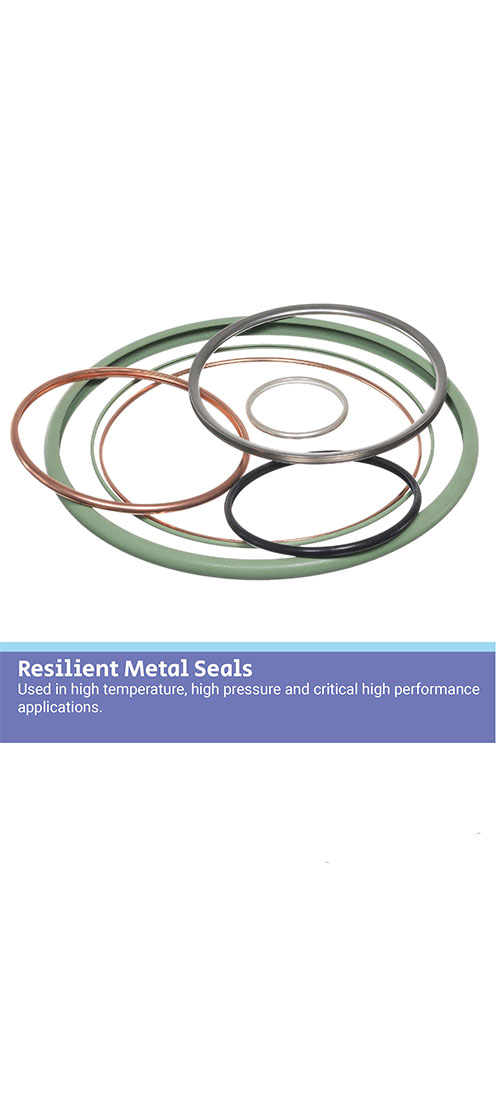
      Product Range

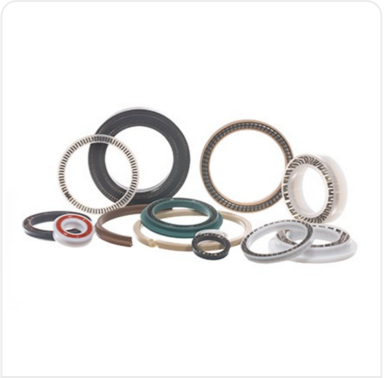
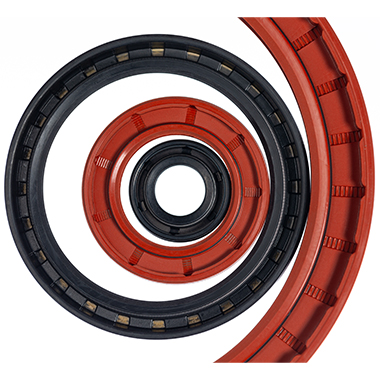
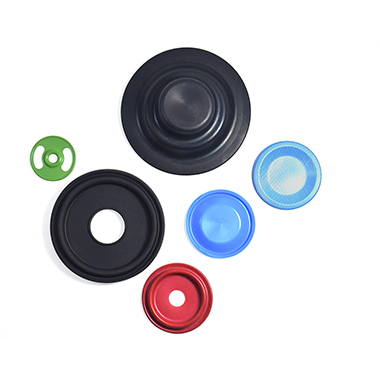
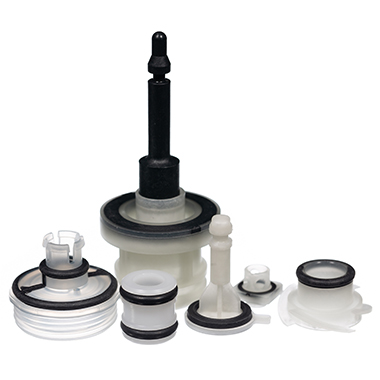
      Our seal products range from simple static O-rings to complex and bespoke seal designs in specialist materials. Whatever your application, we have the seal product for you.

      This is where we populate the page for SEO and readability